

If no action is taken on climate change, global temperatures will continue to rise, leading to a series of severe and potentially irreversible environmental, social, and economic consequences. The current global average temperature is already about 1.42°C higher than pre-industrial levels, and if this trend continues, it could exceed the 1.5°C threshold set by the Paris Agreement, triggering catastrophic impacts. IPCC reports assess existing research, showing us our current situation and what we need to do by 2100 to achieve our goals, including what will happen if we don't. The recently released UN Nationally Determined Contributions (NDCs) warn that current government commitments leave us facing a very dangerous 2.7°C warming by 2100: this means unprecedented fires, storms, droughts, floods, and high temperatures, as well as profound changes in terrestrial and aquatic ecosystems.
What Happens If We Don’t Act on Climate Issues?
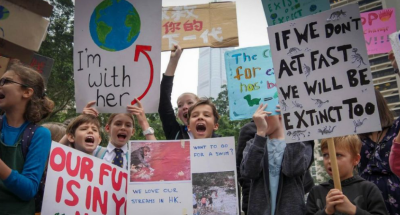
The climate crisis continues to escalate, while the international community avoids discussing the comprehensive commitment needed to reverse it. The decade from 2010 to 2019 was the hottest on record, followed by massive wildfires, hurricanes, droughts, floods, and other climate disasters across continents.
Climate change is disrupting national economies and impacting people's lives and livelihoods, especially those of vulnerable groups.
Between 2010 and 2020, the death toll from floods, droughts, and storms in highly vulnerable areas (home to approximately 3.3 billion to 3.6 billion people) was 15 times higher than in less vulnerable areas.
If left unchecked, climate change will cause global average temperatures to rise by more than 3°C and will have adverse effects on every ecosystem. We have already seen climate change exacerbate storms and disasters, intensify threats such as food and water shortages, and trigger conflicts. Inaction will ultimately cost us far more than if we act now.
To address climate change, we must significantly raise our standards at every level. A great deal of work is underway around the world, with investments in renewable energy surging. But much more needs to be done. The world must transform its energy, industry, transportation, food, agriculture, and forestry systems to ensure we can limit global temperature rise to well below 2°C, or even 1.5°C. In December 2015, the world took a significant first step with the adoption of the Paris Agreement, with all countries pledging to take action to address climate change. However, more action is urgently needed to achieve the goals.
Businesses and investors need to ensure emissions reductions, not only because it is the right thing to do, but also because it makes economic and commercial sense.
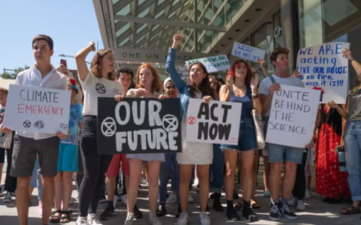
Under the United Nations Framework Convention on Climate Change, global climate finance flows averaged $803 billion annually in 2019-2020, a 12% increase from previous years. However, this still falls short of the level needed to limit global warming; in 2020, fossil fuel-related funding outpaced funding for adaptation and climate change mitigation.
In 2019, at least 120 of the 153 developing countries initiated activities to develop and implement national adaptation plans to strengthen climate resilience and resilience, an increase of 29 countries from the previous year. Furthermore, progress in achieving the 2020 disaster risk reduction targets has been slow.
Because even if the Earth can heal itself, it cannot immediately return to its original state. Therefore, even for the sake of humanity itself, we should take more measures to mitigate the impacts of climate change, with adjustments to existing energy production being the most crucial. Climate change is a complex physical problem; all we can do is use the data we have to better understand it and analyze the most effective solutions, rather than seeking a permanent solution.